Background
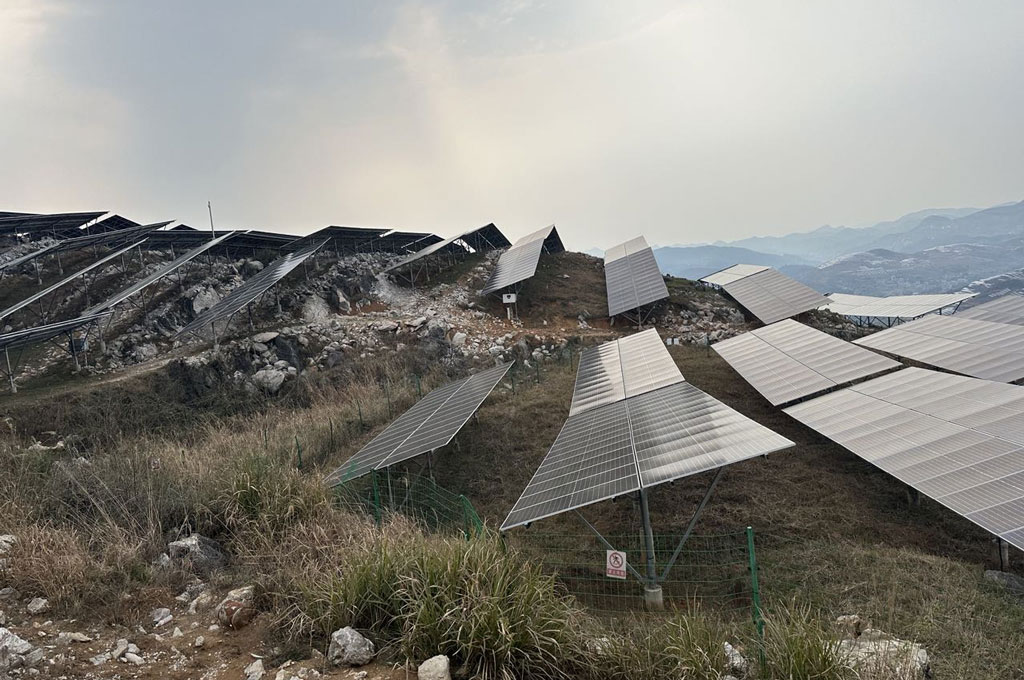
This case takes place in northern Spain, where a 30 MW solar farm is built across a series of hills and uneven slopes.
The site covers roughly 40 hectares, and in summer, fast-growing grass often shaded the lower edges of the solar panels, cutting power output by several percent.
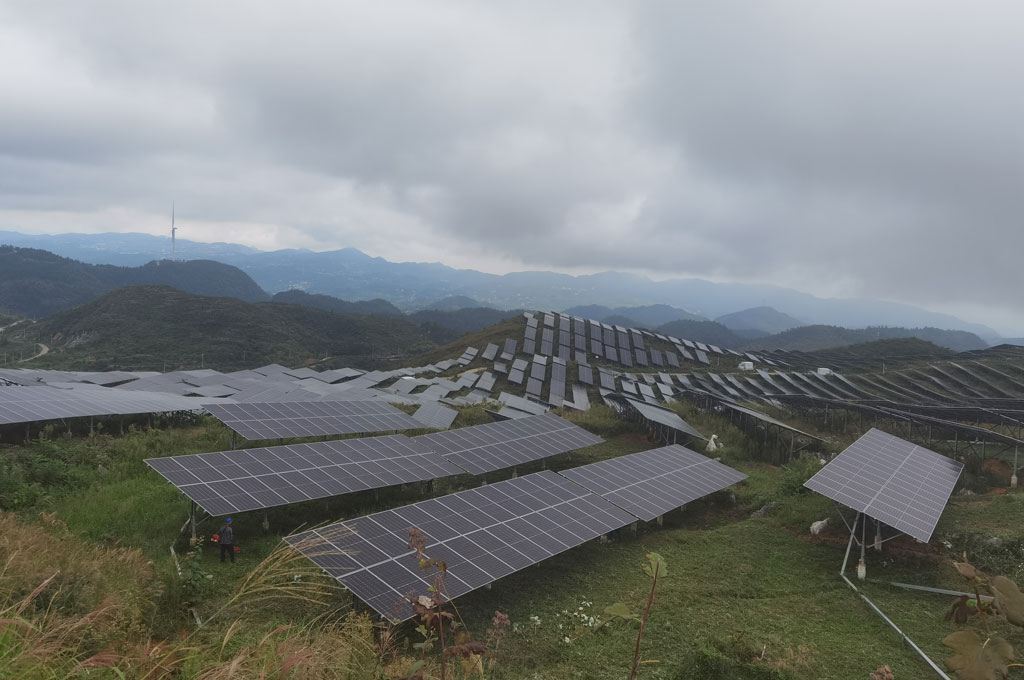
The operation team used to rely on manual clearing, but the terrain made it slow and risky. Workers could only manage small areas at a time, and every maintenance cycle took more than a week to complete.
Challenges on Mountain Terrain
Maintaining a clean and safe ground surface under the panels was far more difficult than expected:
- Slopes reaching 35°–40° prevented the use of ride-on mowers.
- Wet soil made manual mowing dangerous.
- Hiring extra laborers for each cycle raised costs sharply.
- The power plant couldn’t maintain consistent vegetation control, affecting generation efficiency.
Introducing the Remote-Controlled Slope Mower
To solve these issues, the maintenance team brought in two BotusMov MC700 remote control slope mowers.
The tracked design and low center of gravity allow the machines to climb steep areas that workers couldn’t safely reach.
Each mower covers around 2,500 m² per hour and runs for nearly six hours per charge.
The operator can stay on safe, flat ground while controlling the mower up to 300 meters away.
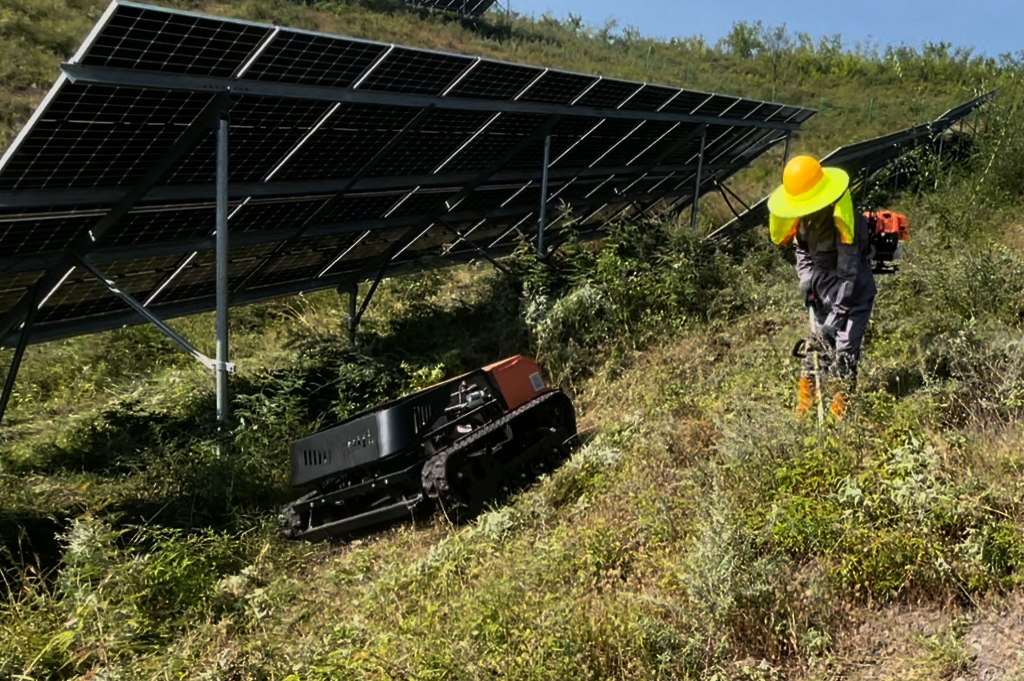
The mower’s floating cutting deck also handles uneven surfaces well, leaving a smooth finish without damaging the soil or cables underneath the panels.
Performance and Results
After two weeks of continuous operation, the impact of the remote control slope mower was evident across multiple dimensions of efficiency, cost, and safety.
| Performance Metric | Before Implementation | After Implementation | Improvement / Impact |
|---|---|---|---|
| Mowing efficiency | ~2,000 m²/hour (manual labor) | ~3,500–3,800 m²/hour (with mower) | ↑ ~75% efficiency gain |
| Labor requirement | 5–6 workers per shift | 2 operators for supervision only | –60% manpower |
| Safety incidents | 2–3 minor incidents per quarter | 0 incidents recorded | 100% reduction |
| Maintenance frequency | Weekly manual checks | Monthly automatic checks via remote monitoring | –70% maintenance time |
| Annual cost | Approx. $18,000 (labor + equipment) | Approx. $9,800 (mower + fuel + upkeep) | ~45% cost reduction |
| Power generation efficiency | Baseline | +4–5% increase due to better sunlight exposure | Higher revenue yield |
💡 Summary:
The remote control slope mower not only optimized vegetation control on steep terrain but also enhanced operational safety and reduced maintenance costs. For hillside solar farms where manual mowing poses risks and inefficiency, the mower provided a proven, data-backed solution—improving both sustainability and profitability.
Client Feedback
“Before using the BotusMov mower, every mowing cycle was exhausting and time-consuming.
Now we can finish the same job in a fraction of the time, and our staff no longer need to take risks on the slopes.”
Conclusion
This project shows how a remote control slope mower for solar farms can make a big difference on mountain or hilly terrain.
It reduces labor intensity, ensures stable energy production, and lowers long-term operation costs.
If your solar plant faces similar terrain challenges, get in touch with BotusMov — our remote-controlled mowing solutions are helping PV operators across Europe achieve safer, more efficient maintenance.