Maintaining ditches is an essential part of landscape and drainage management. It’s not only about aesthetics — regular ditch mowing improves water flow, prevents erosion, and reduces nutrient pollution. According to the Bulletin of Environmental Contamination and Toxicology, proper ditch maintenance can lower nitrogen and phosphorus levels in waterways by up to 79% and 95%, respectively.
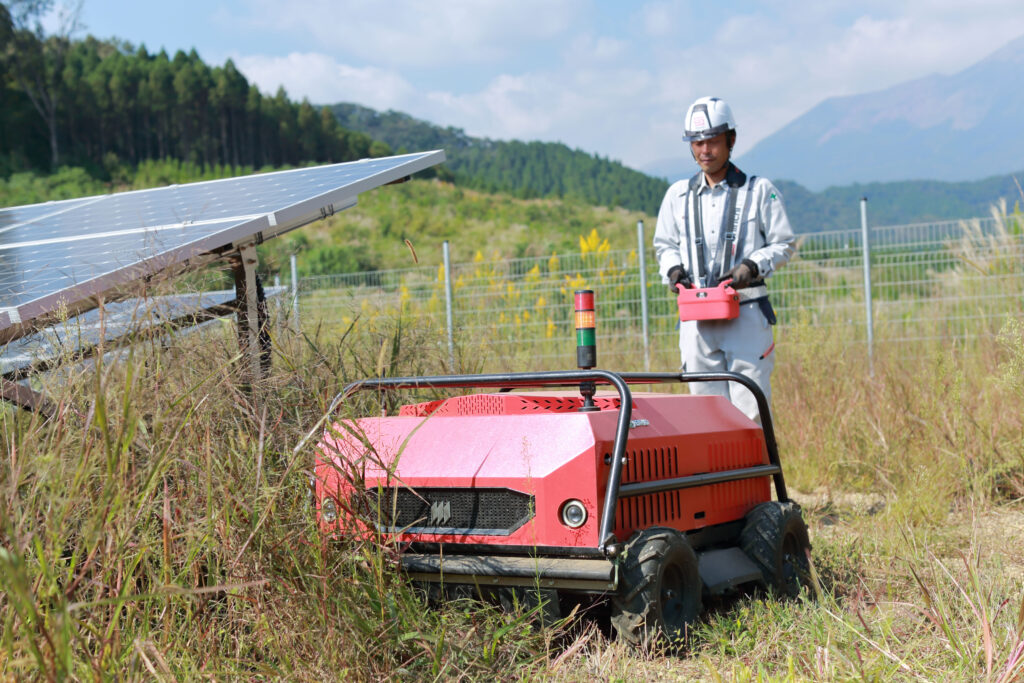
However, mowing a steep ditch is far from simple. Uneven ground, wet soil, and deep slopes make it one of the most dangerous mowing tasks — with dozens of accidents every year caused by machine rollovers. That’s why many professionals are turning to remote control lawn mowers from BotusMov, which allow operators to mow safely from a distance while maintaining full control on challenging terrain.
In this guide, we’ll explain the best techniques for mowing ditches, how to choose the right equipment, and what safety steps to take for reliable, long-term maintenance.
Key Takeaways
✅ Assess the ditch slope and terrain before mowing.
✅ Choose a remote-controlled mower for steep or hazardous banks.
✅ Follow proper mowing patterns and safety procedures to prevent accidents.
✅ Regular ditch maintenance improves drainage, stability, and environmental health.
Step 1: Assess the Ditch
Before starting, inspect the ditch carefully. Look for debris, standing water, rocks, or erosion that might affect mowing stability. Remove any large obstacles that could damage your mower or create unsafe footing.
The slope angle determines which type of mower is appropriate. Traditional riding mowers are unsafe beyond 15 degrees, while remote control lawn mowers like those from BotusMov can handle inclines exceeding 35 degrees with ease.
Understanding your terrain helps prevent tipping and ensures consistent grass height throughout the ditch.
Step 2: Choose the Right Lawn Mower
Selecting the correct equipment is crucial for both safety and efficiency. Here’s a quick comparison:
| Lawn Mower Type | Suitable Slope | Advantages | Disadvantages |
|---|---|---|---|
| Push Mower | Up to 20° | Lightweight and simple | Hard work on tall grass |
| Riding Mower | Up to 15° | Fast for large areas | High rollover risk |
| Zero-Turn Mower | Up to 20° | Excellent maneuverability | Limited stability on steep slopes |
| Flail Mower | 25° and above | Handles thick vegetation | Heavy and costly |
| Remote Control Lawn Mower | 45°+ | Operated from a safe distance; stable on steep or wet ground | Higher upfront cost |
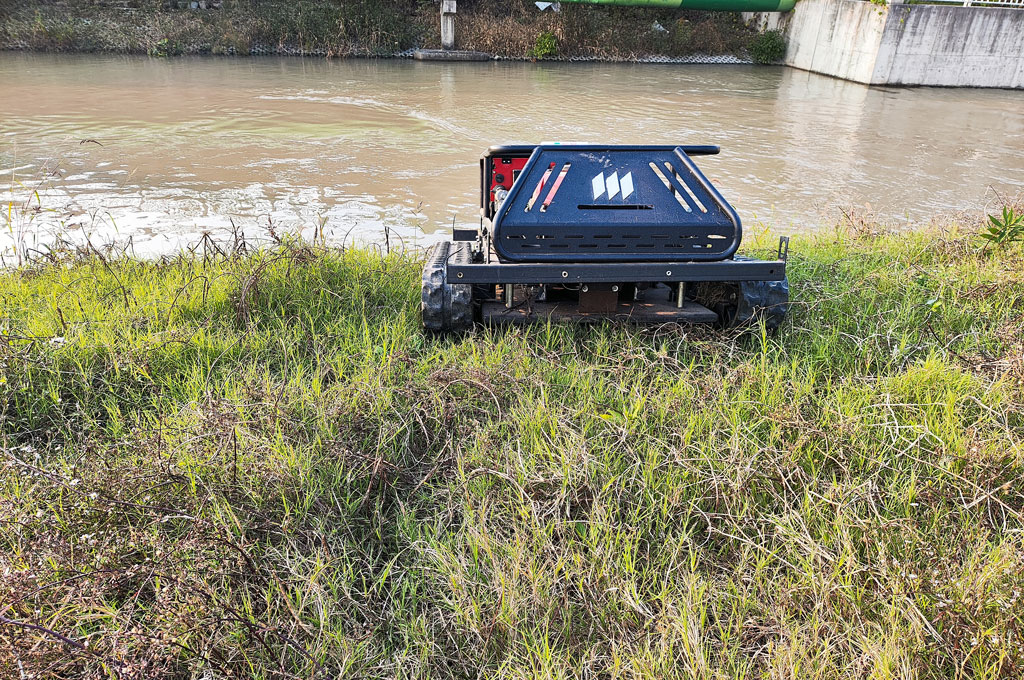
For deep or steep ditches, BotusMov remote control mowers offer unmatched performance. They feature low center of gravity, rubber tracks, and dual-motor drive, allowing safe mowing on slopes and soft ground where traditional machines cannot operate.
Step 3: Master the Right Mowing Technique
Efficient ditch mowing is all about maintaining control and stability.
- Start from the bottom: Mow the lowest part first, then work upward. This prevents the mower from sliding downhill.
- Follow the slope contours: Keep the mower aligned with the natural angle of the ditch for even cuts.
- Avoid sharp turns: Maintain straight lines; turning on an incline increases rollover risk.
- Use gradual passes: Overlap slightly between passes for consistent coverage.
BotusMov’s remote control lawn mowers make this process safer by allowing precise steering, speed control, and cutting adjustments without placing the operator near the slope.
Step 4: Prioritize Safety
Safety is non-negotiable when working around slopes and ditches.
Wear protective gear — safety goggles, boots with good traction, gloves, and high-visibility clothing. Always inspect your equipment before starting, and never mow when the ground is excessively wet.
If possible, work with a partner who can assist in emergencies or help move equipment. The goal is to maintain efficiency without putting anyone at risk.
Why Regular Ditch Mowing Matters
Keeping ditches trimmed is about much more than appearance. Routine mowing helps:
- Improve stormwater flow and prevent flooding
- Reduce soil erosion and sediment buildup
- Maintain visibility and safety near roadsides
- Discourage wildlife nesting near infrastructure
- Support overall land and water management health
Neglecting ditch mowing can lead to clogged waterways, unstable soil, and expensive repairs.
The Smart Way: Use a Remote Control Lawn Mower
Instead of risking injuries on unstable slopes, many property managers now rely on BotusMov remote controlled mowers — engineered for steep, uneven, and hard-to-reach areas. These machines combine power, precision, and safety, offering smooth operation even in extreme conditions.
BotusMov’s lineup includes models with:
- Heavy-duty tracks for superior traction
- Extended runtime for large properties
- Adjustable cutting decks for various grass heights
- Low-noise, fuel-efficient power systems
For airports, solar farms, highway embankments, and public works, BotusMov delivers reliable ditch and slope mowing solutions that save time and labor while minimizing risk.
FAQs
Q1: What is the safest mower for ditches?
A remote control lawn mower is the safest option, as the operator can stay far from the slope while maintaining full control.
Q2: Can I use a riding mower on steep ditches?
Not recommended. Riding mowers are prone to tipping beyond 15° slopes.
Q3: Are BotusMov mowers suitable for wet or muddy ditches?
Yes. Their tracked design and balanced weight distribution provide excellent traction on soft or damp soil.
Final Thoughts
Mowing a ditch doesn’t have to be dangerous or exhausting. With the right technique and the power of a remote control lawn mower from BotusMov, you can keep ditches clear, healthy, and well-maintained — safely and efficiently.
Take control of your terrain with technology designed for today’s toughest mowing challenges.